
Search!
Game concept | Homework BA Game Design | 2026
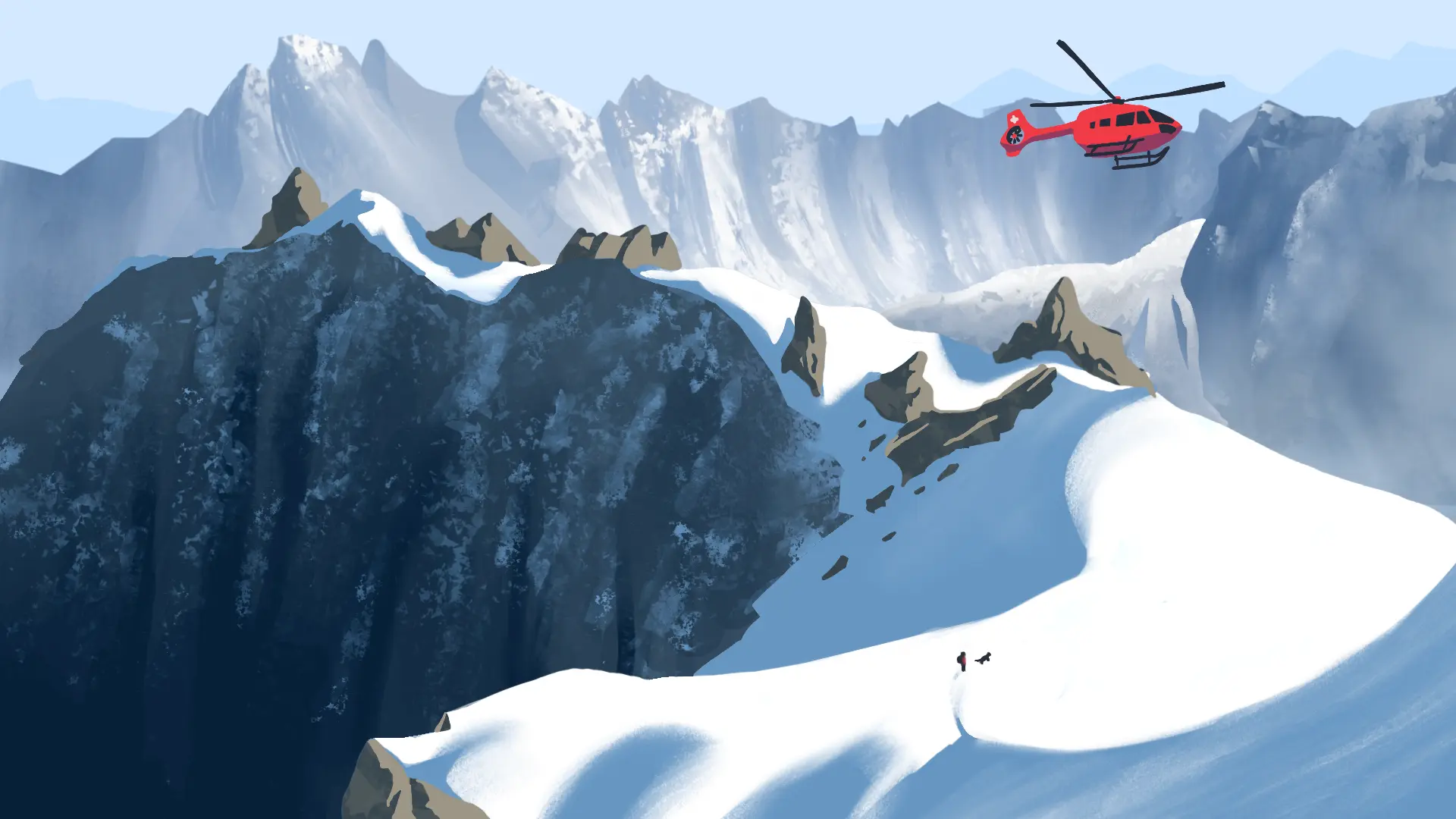
Step into the white‑out world of an alpine disaster and experience rescue from two very different perspectives. One player becomes a keen‑nose rescue dog, the other a seasoned handler. Together you must locate and save victims trapped beneath the snow before they succumb to the elements. This project was created for an application at ZHdK with the topic trace.
1. Ideation
At the beginning I started thinking: what even is a trace? A trace can be physical, like a footprint, a broken branch, or debris. It can also be abstract, like a scent or a sound. At its core, it is a small leftover that indicates something was present – a hint of information that can be followed, left, or hidden, with or without intention. You can also talk about traces literally meaning a path, such as one used for cross‑country skiing (Langlaufspur) or when driving (Fahrspur). But I felt that was farther from the core idea.
I took all these thoughts and started mind‑mapping, watching where each thread led. Whenever an game idea came into my mind, I wrote it down.
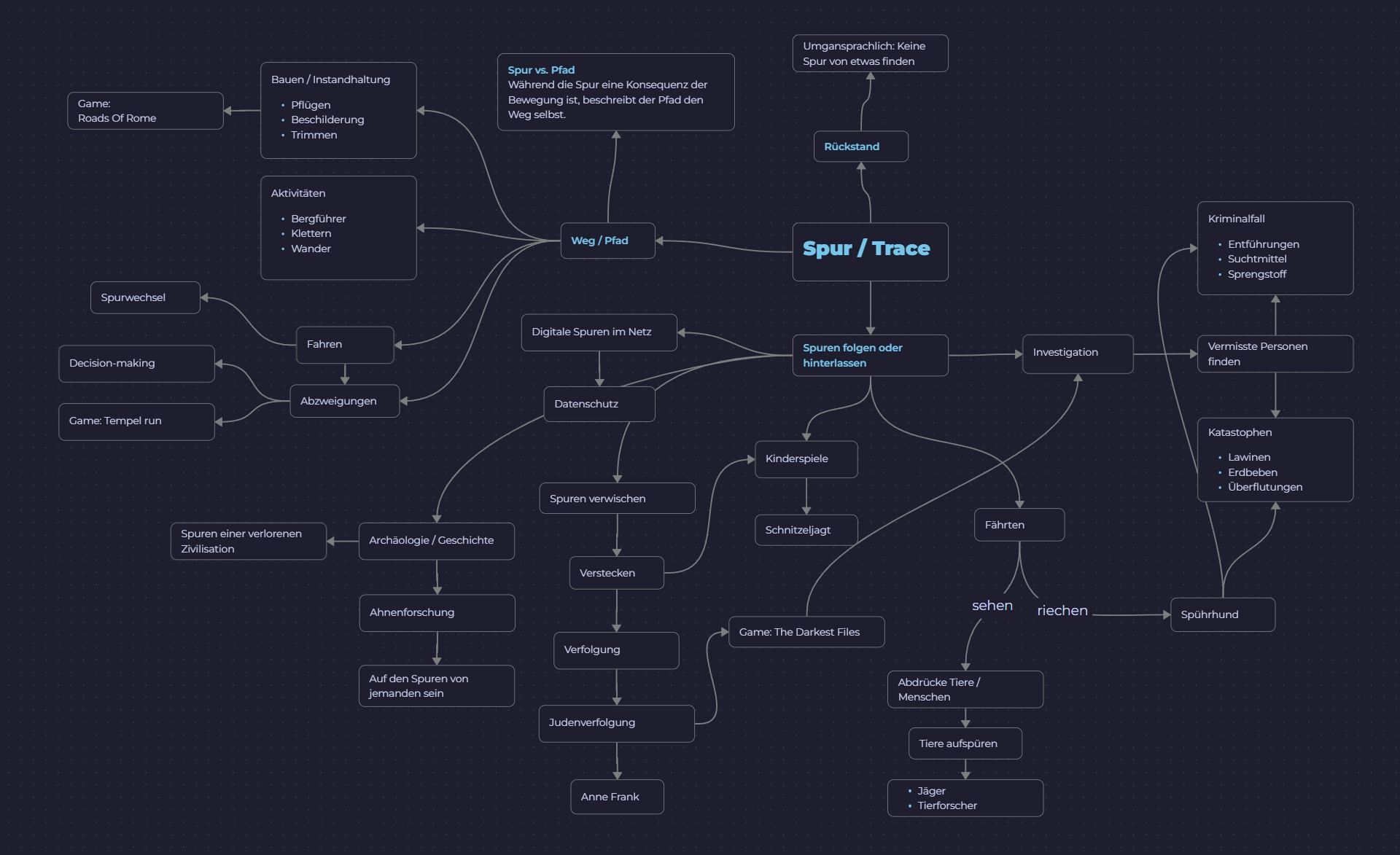
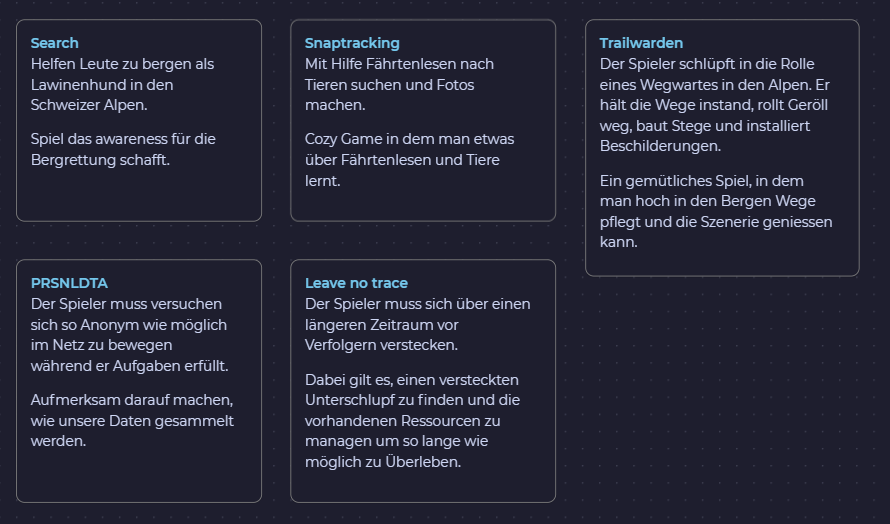
Of the ideas, two resonated most with me, and I knew I wanted to focus on one of them.
Idea 1: Search!
Dogs can smell traces. In this game, players take part in alpine rescue missions, either as a search‑and‑rescue dog or as the dog’s handler. Using the animal’s exceptional sense of smell, they locate victims buried in avalanches or lost in the mountains.
Animals have always fascinated me, and the partnership between humans and dogs is uniquely powerful. Dogs have a long history of working alongside people, and in the Swiss Alps the legendary St Bernard has become folklore for its lifesaving rescues. Alpine rescue is increasingly challenged by climate‑change, and it’s a relevant topic in Switzerland with its own dedicated mountain‑rescue organisations.
Idea 2: PRSNLDTA
Every online action leaves a trace. Those traces can be followed and collected. Players must protect their digital footprints while fulfilling tasks, navigating through threats like phishing, tracking cookies, and other surveillance measures.
Data security is something I encounter in my own life and in conversations with friends who work in software development. Services collect and trade our digital information for profit, often without us realizing it, and I’m convinced that many people give away their data without understanding the consequences. With the rise of AI, increasing surveillance, and the EU’s ongoing regulatory debate, privacy is a hot topic right now.
Deciding between the two ideas
I researched both concepts for a bit and mapped out possible game loops. After a while I realized I wanted to go with "Search!". The partnership between humans and dogs felt fascinating, and the alpine landscape provides a stunning backdrop. This direction offers a clear narrative while avoiding the heavy UI work and technical research that the data‑security game would require.
2. Research
2.1 About Avalanche Rescues
In avalanche rescue the goal is simple: get a trained dog to the spot where a victim is buried, usually within a 500‑meter radius of the incident. Time is critical; if the dog reaches the victim within 15 minutes the chance of survival is about 90%, and after 35 minutes that probability falls to roughly 30%.
Dogs are prepared for these missions with game‑like exercises: a handler buries a person in a snow cave, and when the dog locates the “victim” it receives a reward such as play. This reward‑based training works especially well for energetic, sociable medium‑sized breeds like Golden Retrievers, Labradors and Border Collies. During training the dogs also learn unique maneuvers, for example being carried on the handler’s shoulders or flying in a helicopter.
Switzerland’s avalanche‑dog program went official on 1 Aug 1943 when the Swiss Kennel Club and the military dog service added the “avalanche‑dog” discipline for the army’s roughly 1 000 dogs. Earlier roots include 17th‑century St. Bernard rescue dogs (Barry) and 19th‑century sanitätshunde. General Henri Guisan revived canine work in 1928, leading to the first conversion of medical dogs into avalanche dogs in 1939/40 after the Schilthorn avalanche 1937/38.
After WWII the military dog service was cut for cost, and the Swiss Alpine Club (SAC) assumed responsibility, with Ferdinand Schmutz as its first leader. The SAC remained the sole authority until the late‑1990s, when the “Rettung 2000” reforms caused Valais to train its own dogs via the cantonal rescue organisation (KWRO), using a curriculum almost identical to the SAC’s.
In 2005 the SAC and Rega (Swiss air‑rescue) founded the Stiftung Alpine Rettung Schweiz (Alpine Rescue Switzerland), which now coordinates national mountain rescue and avalanche‑dog training and deployment.
Feature from SRF: Lawinenhunde im Einsatz
2.2 Games Research
I'did check out some other games next. I was interested in games that involved rescues, snow, mountains or dogs.

Search and Rescue
This is a turn‑based strategy board game for up to four players. Search for tourists lost during extreme wind and bring everyone to safety.
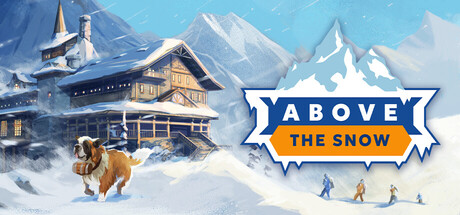
Above the Snow
This game focuses on building and running an alpine resort. Rescuing alpinists is here more serving as a side mission.
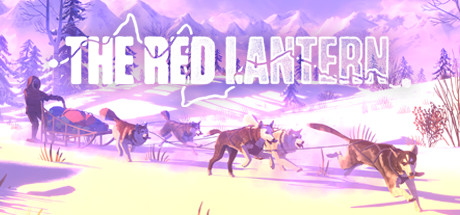
The Red Lantern
A dog‑sledding survival narrative where you play as a musher with a team of five sled dogs. I love the concept and its lovely art style.
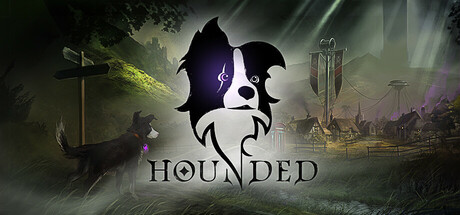
Hounded
You play as a young Border Collie searching for its lost master in a fantasy adventure game. The visuals are cinematic, and the game features a scent mechanic.
3. Concept
Step into the white‑out world of an alpine disaster and experience rescue from two very different perspectives. One player becomes a keen‑nose rescue dog, the other a seasoned handler. Together you must locate and save victims trapped beneath the snow before they succumb to the elements.
Gameloop

Briefing – A short briefing tells the team how many victims are buried, the current weather, and shows a search radius on the map. Both players then spawn at the starting point.
Search – Using their unique abilities they traverse the alpine terrain, managing stamina, health and body temperature, until they reach the avalanche zone. Inside the zone the dog follows scent trails to pinpoint the buried person.
Rescue – Together they dig the victim out, apply a first‑aid kit to stabilise him/her, and fire a flare to summon a rescue helicopter.
Extract – The helicopter lands, loads the rescued victim, and the team escorts the survivor back to base. The mission succeeds when the helicopter departs; it fails if the victim dies, a player’s health reaches zero, the time limit expires, or the mission is aborted.
4. Design
4.1 Mechanics
The rescue dog and the handler each have their own mechanics, as well as shared ones. A potential problem is that the dog player can feel powerless in certain situations because he can’t climb on his own, which may lead to frustration. To mitigate this, I gave the dog access to specific skills and items such as the Leap ability and a Rope. These allow the dog to jump from the handler onto higher ground and pull the handler upward, giving the canine player more options besides finding and digging out items and the buried victim.
Shared Mechanics
Handler Mechanics
Rescue Dog Mechanics
4.2 Keybindings
4.3 Items
4.4 Leveldesign
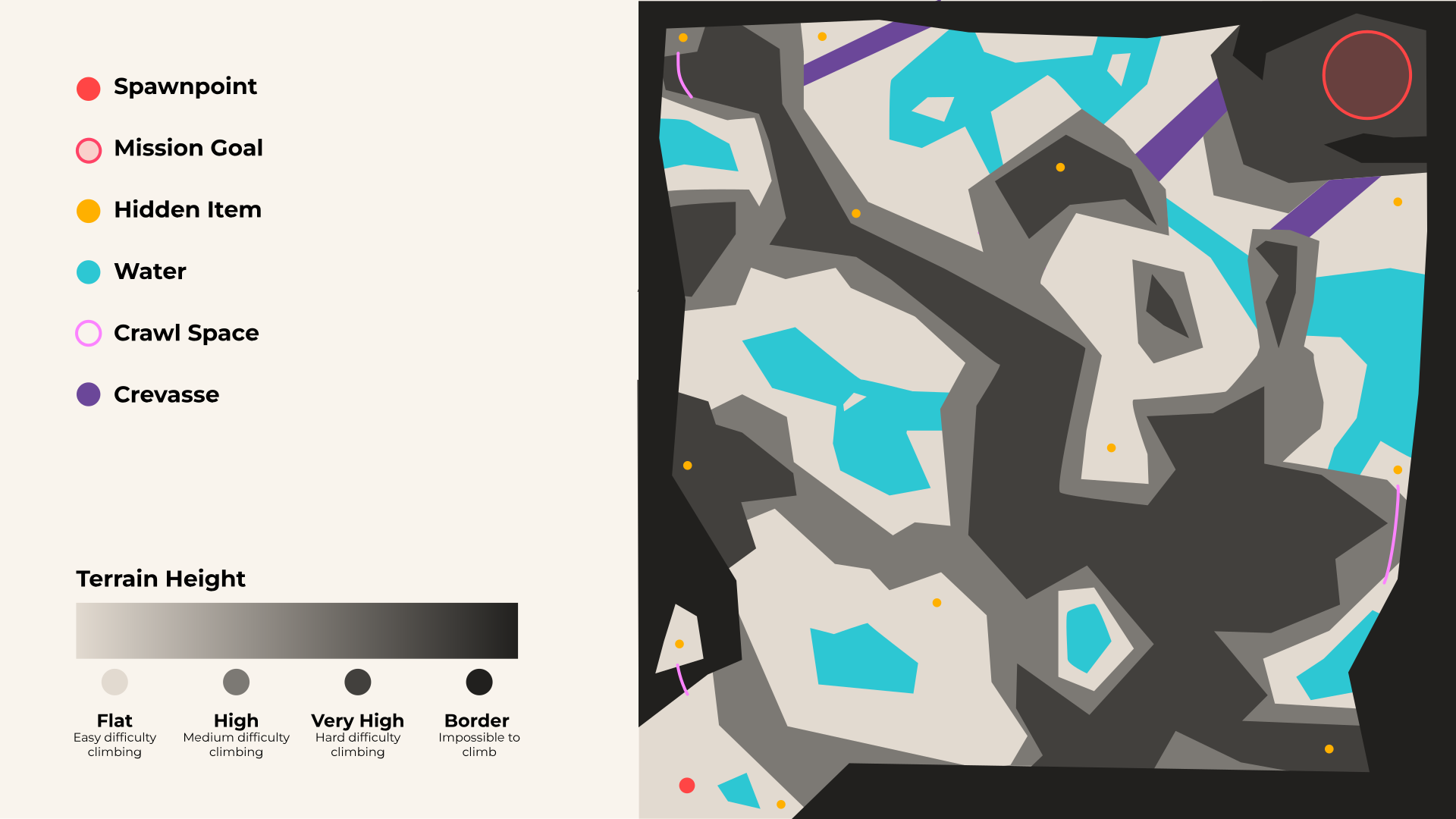
I was a bit lost at first with this part, but looking at randomly generated noises helped me spot interesting patterns to use as a starting point.The player spawns at a save spot that also serves as a tutorial area. Here they can try out the mechanics, discover buried items, and encounter a shallow puddle that inflicts limited cold damage.
If they happen to hurt themselves, a buried health kit is nearby. To reach the next section, the handler must shoulder‑mount the dog and climb together over an easy climbing segment.
After that, the players arrive at the larger portion of the map, where they can move and explore freely while searching for a route to the mission goal.
The final stretch toward the goal involves a more difficult climbing section before they can locate and rescue the victim.
4.5 UI
HUD
Characters need to monitor three stats: health, stamina, and body temperature. It is important to ensure the HUD works with bright backgrounds, since the game will feature a lot of snow. Tooltips on the right side help players understand the mechanics at the start. Human players will have three item slots, while the rescue‑dog player will have one.
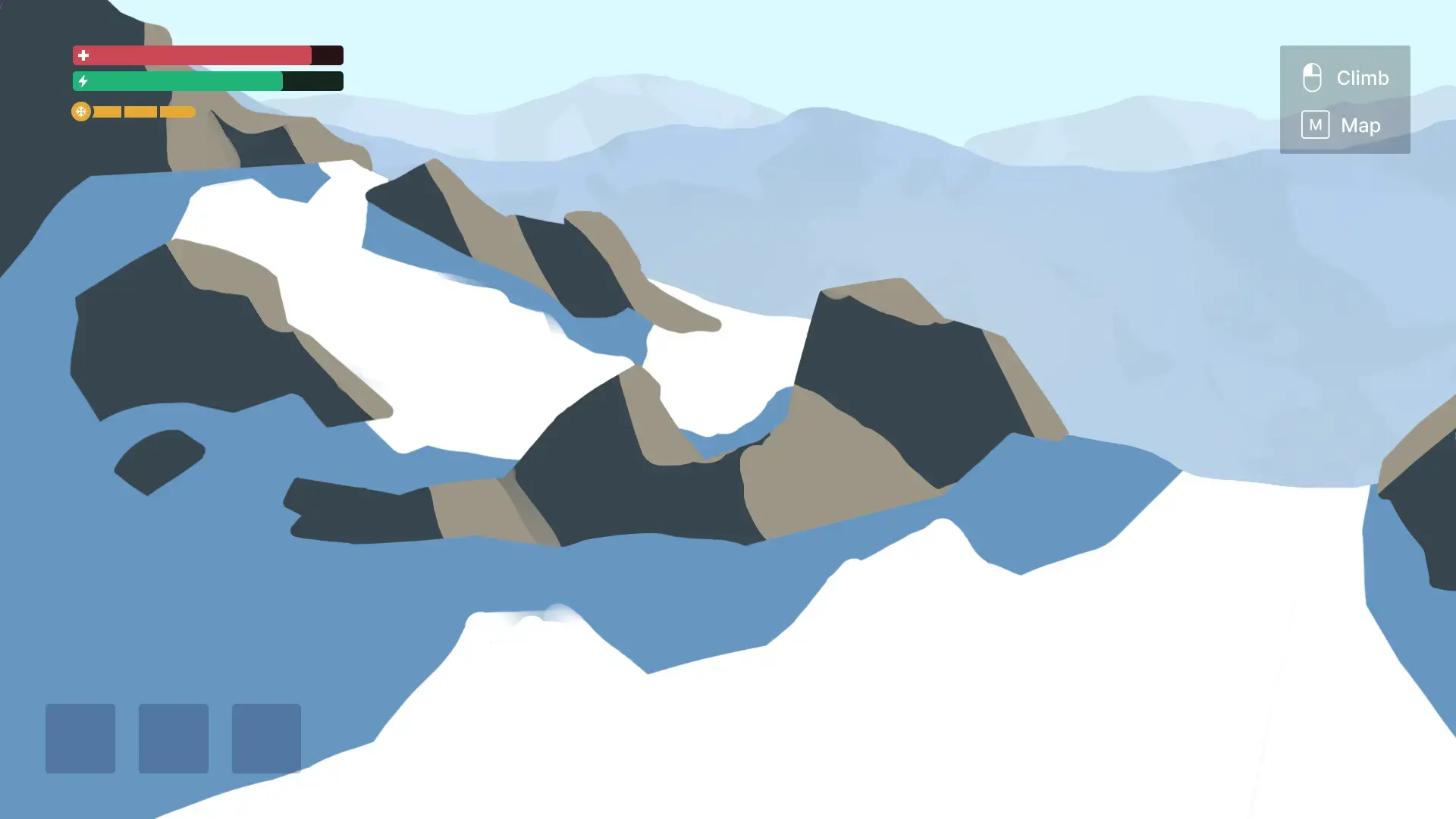
HUD for human player
Body Temperature
Characters need to monitor three stats: health, stamina, and body temperature. If body temperature drops too low, it begins to affect stamina and eventually the health bar, blocking part of the bar and preventing it from filling up completely.

Sniff Mechanic
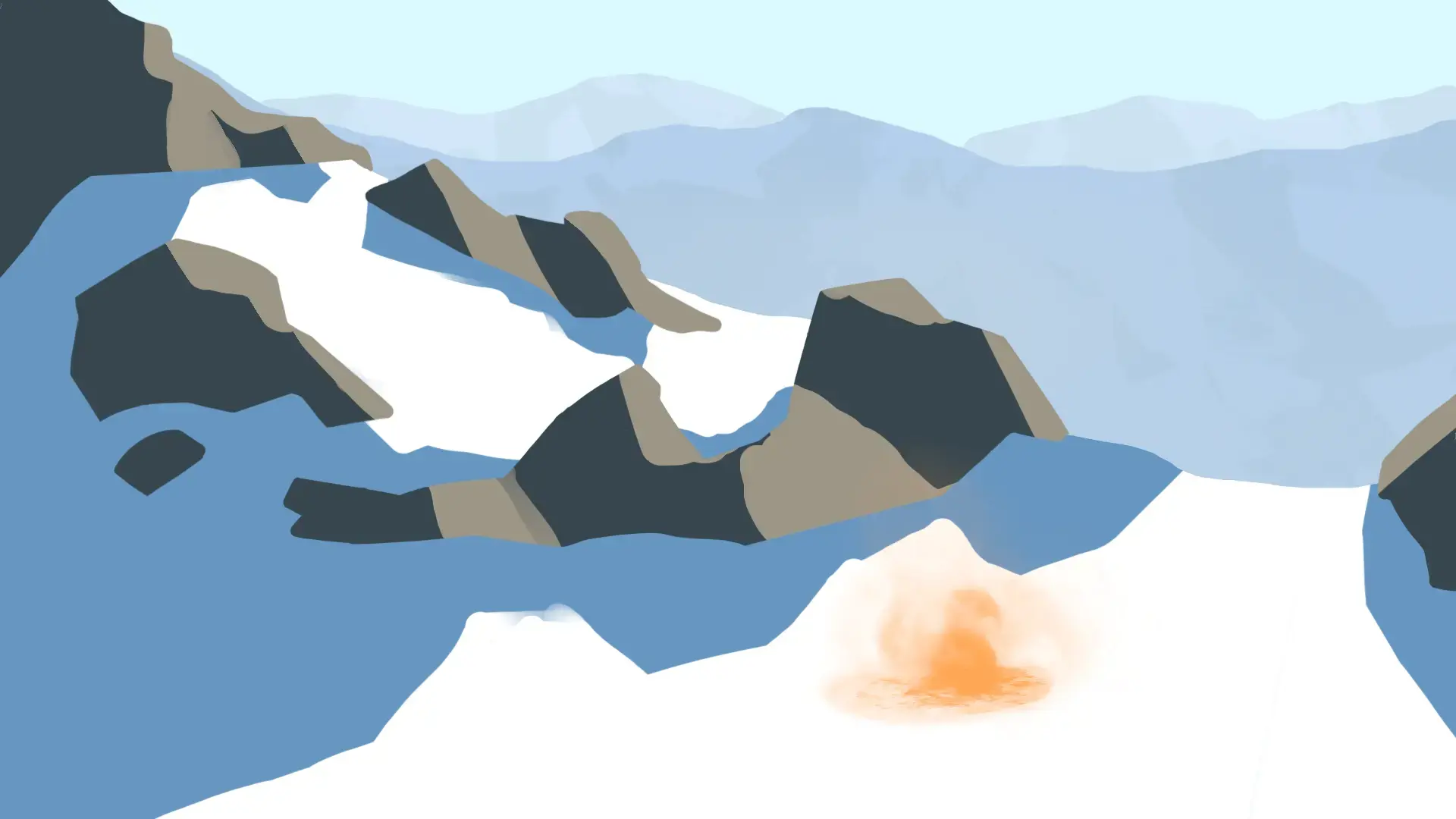
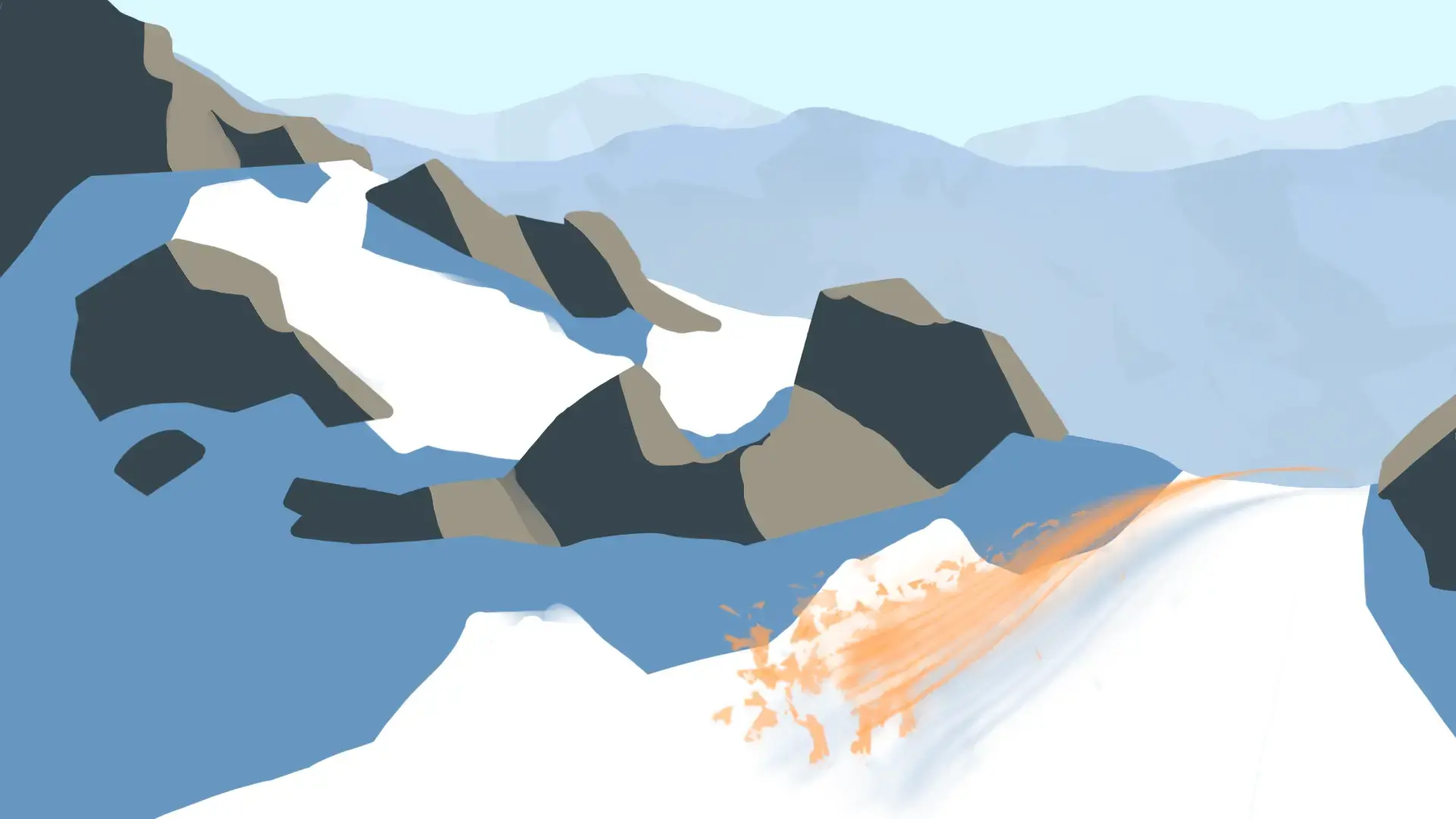
When the dog uses "Sniff" buried targets display a visible marker on the ground. When the dog is close enough to a buried human, a faint trail appears to guide the player.
4.6 Art & Visual Direction
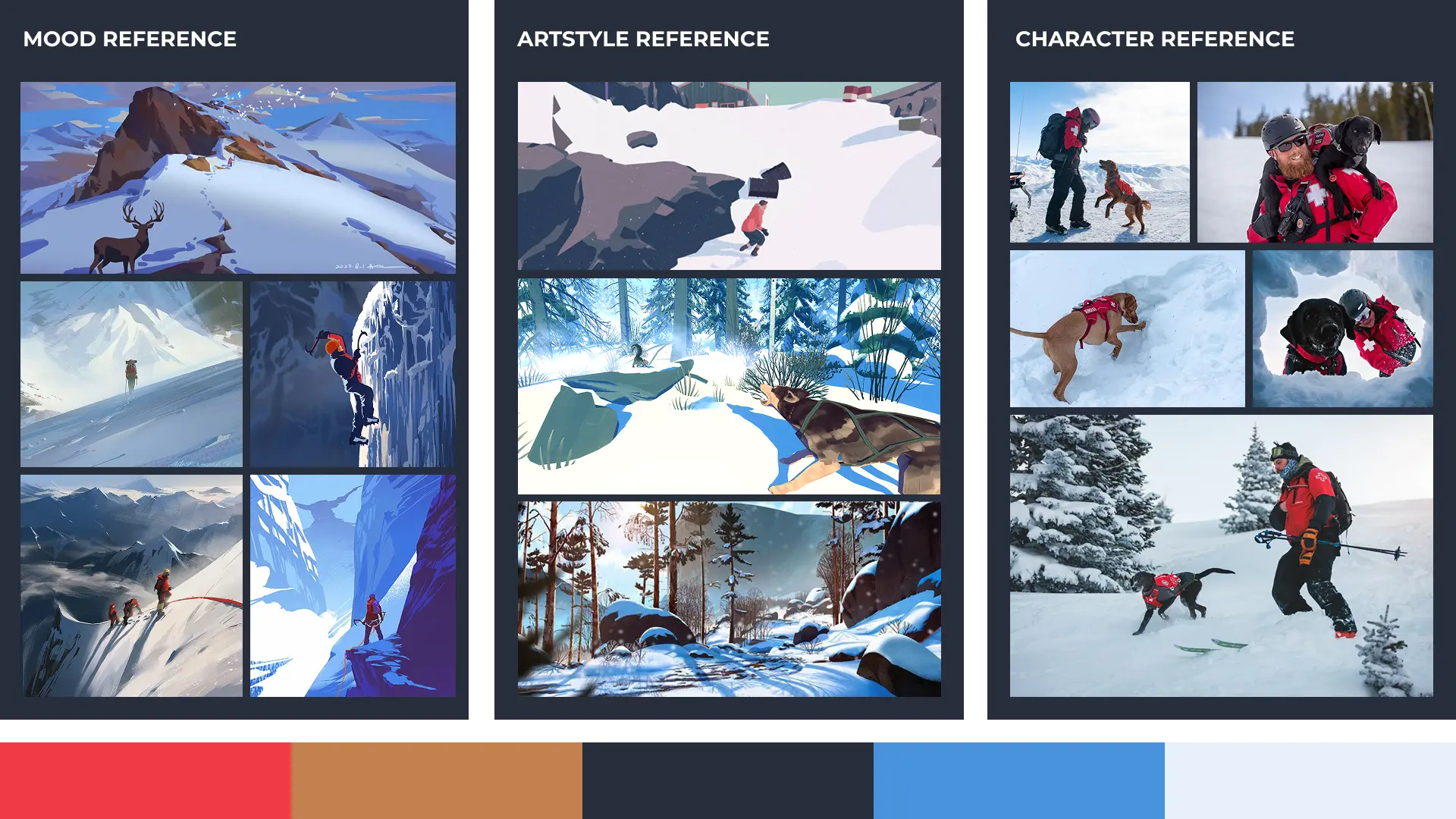
The game adopts a low-poly 3D aestetic. Cool hues dominate the snowy landscape, while the players are in warm, contrasting tones.
4.7 Character Design
The rescue dog is a medium‑sized breed commonly employed in avalanche operations, a good size to be carried on the handler’s back. He wears a red high‑visibility vest and a sturdy strap runs across his back, allowing the handler to secure the animal or attach a rope when needed. A pair of sunglasses completes the outfit, protecting his eyes from glare while adding a cool touch.
The handler is dressed for extreme cold and demanding vertical movement. Warm, insulated clothing, along with a protective helmet and goggles shield his head and eyes from wind and bright sunlight. An ergonomic backpack holds essential rescue tools. Because climbing is central to the gameplay, the handler also wears a climbing harness, gaiters that keep snow out of his boots, and crampons that bite into icy surfaces, ensuring he can ascend steep slopes and navigate treacherous terrain with confidence.
Both characters share a unified visual identity that reinforces their partnership. Their outfits combine vivid red with deep navy, a palette that stands out against the snowy landscape. Reflective strips run along seams and cuffs, enhancing safety. A white cross is embroidered onto the red panels of each garment, signalling their status as a professional rescue unit and subtly referencing the Swiss heritage that inspires the game’s setting.
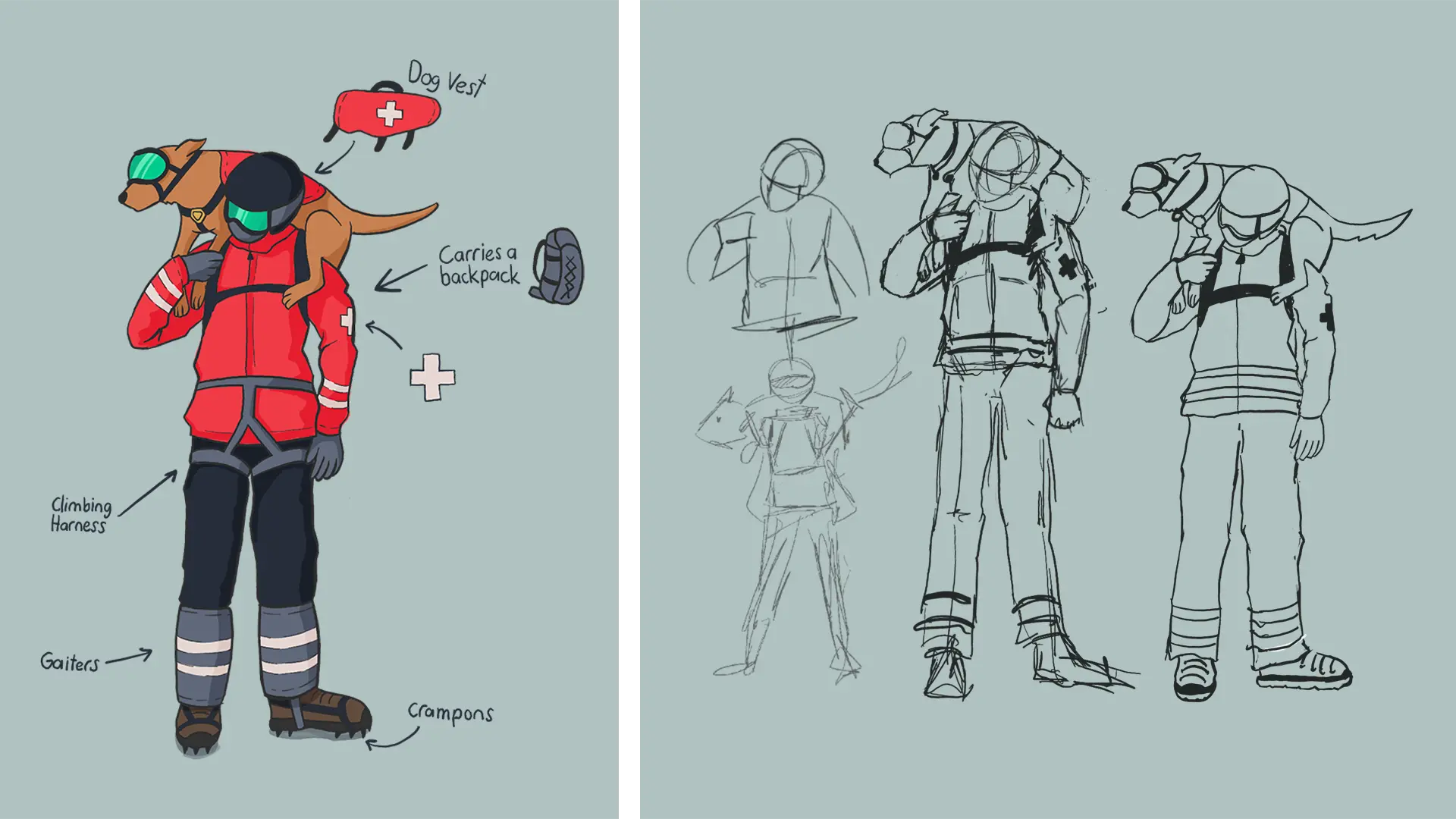
Final design and initial sketches
4.8 Sounddesign
The environmental audio would be the primary driver for the experience: footsteps in snow, wind, equipment interaction. The music should be light and ambient underneath the environment without competing. It should be neither chill nor overly dramatic or heroic, mirroring the focused atmosphere of a rescue mission.
5. Conclusion and next steps
I’ve put a lot of thought into this concept. However, a concept alone can only take you so far. The next step would be to build a playable prototype. I think there’s enough here to create something fun, but I’m sure many elements won’t work out as I imagined and will need to be changed.
6. References
AI Assistance
I used Lumo to assist with research, challenge ideas, and improve the text.
Research References
A Day in the Life of Schweitzer's Avalanche Search and Rescue Dog Team
Lawinenhunde im Einsatz
Alpine Rettung Schweiz
Schweizer Alpen-Club SAC
Schweizerische Rettungsflugwacht Rega
Last Edit
9. February 2026